|
Bacterium Could Treat PCBs Without the Need for Dredging
Troy, N.Y. — Researchers at Rensselaer Polytechnic Institute
have discovered a tiny bacterium that could one day transform
the way we remove polychlorinated biphenyls (PCBs) from our
environment. The organism could be the key to developing
methods that help detoxify commercial PCB compounds on site —
without the need for dredging.
The results will appear in the April 15 issue of Applied
and Environmental Microbiology.
Commercial PCBs, which were banned from production in the
United States in 1977, were once commonly used by industry. The
compounds are mixtures of 70-90 different molecular forms that
vary in the number and positions of chlorine atoms, making them
difficult to degrade. To date, the most commonly used method to
remove PCBs from the environment is to dredge and then deposit
the sediments in a landfill.
In order to detoxify PCBs the strong bonds between the
chlorine atoms and the biphenyl compounds that make up the PCB
atomic structure need to be broken, a process known as
dechlorination. More than two decades ago, scientists
discovered that PCBs were slowly being dechlorinated by
naturally occurring microbes, but despite years of research,
the exact microbes responsible have remained elusive — until
now.
“For the first time we have been able to cultivate in
defined media naturally occurring bacteria that can extensively
dechlorinate PCBs right at the site of the contamination,” said
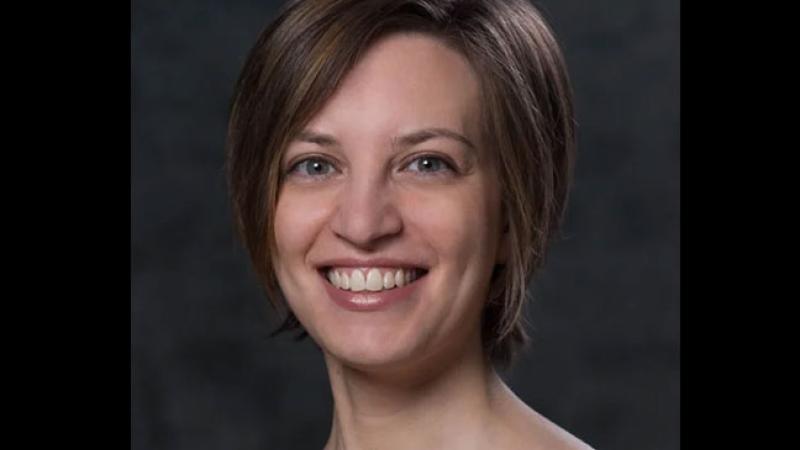
Donna Bedard, professor of biology at Rensselaer and lead
author of the paper. “This is a major step toward the
development of cost-effective methods for on-site PCB
remediation.”
Bedard used sediments from the Housatonic River in
Massachusetts — an area known to be contaminated with PCBs — to
develop sediment-free cultures and to identify the bacteria
that were breaking down the PCBs. Using molecular techniques,
the research team determined that the microbes that are
dechlorinating the PCBs belong to a group of bacteria known as
Dehalococcoides (Dhc).
Dhc are “strict anaerobic” bacteria, which means
they cannot survive in the presence of oxygen. They are
frequently involved in natural remediation of chlorinated
solvents such as trichloroethylene (TCE), but this is the first
time it has been demonstrated that Dhc can
dechlorinate complex commercial PCB mixtures.
After identifying the Dhc bacteria, Bedard and her
team proved that the anaerobic bacteria thrive on the PCBs,
much as humans thrive on oxygen. The microbes replace the
chlorines on the PCBs with hydrogen, which fuels their growth
and begins the PCB degradation process.
The discovery of the Dhc bacteria’s unique
abilities could one day alter the way we treat PCB contaminated
water bodies, according to Bedard.
“Now that we have identified the PCB-dechlorinating bacteria
and learned how to cultivate them in the laboratory, we can
begin to understand the processes that they use to dechlorinate
PCBs and tap their unique abilities to create new technologies
that efficiently and safely remove commercial PCBs from our
environment,” she said.
The research was funded through a grant from the National
Science Foundation. Bedard was assisted in her research by
Kristi Ritalahti and Frank Löeffler of the Georgia Institute of
Technology.
|
Published
March 7,
2007 |
Contact: Gabrielle DeMarco
Phone: (518) 276-6542
E-mail: demarg@rpi.edu |
|