Lighting Research Center Named Recipient of U.S. Green Building Council’s 2008 Green Building Research Fund Grant
|
|
 |
|
 |
 |
|
|
|
 |
|
|
|
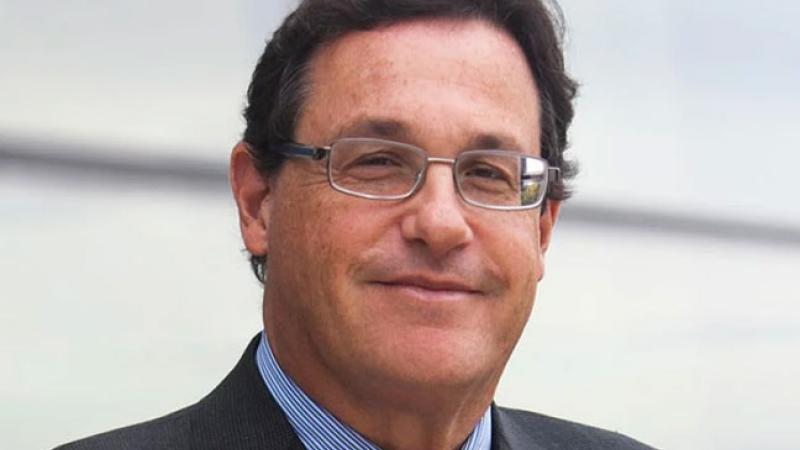
Photo Credit: Rensselaer/Dennis
Guyon |
|
Award will fund research investigating the impact of
daylight and electric lighting on K-12 students’ performance
and well-being
The Lighting Research Center (LRC) at Rensselaer Polytechnic
Institute has earned the notable distinction of receiving one
of only 13 first-ever research grants awarded by the U.S. Green
Building Council (USGBC). The $250,000 grant will fund research
for a project titled “Quantifying the Impact of Daylight and
Electric Lighting on Student Alertness, Performance, and
Well-being in K-12 Schools.”
The project team intends to scientifically quantify the
impact of daylight design on students’ well-being and
performance in K-12 schools and investigate the underlying
biological mechanisms associated with this possible link. The
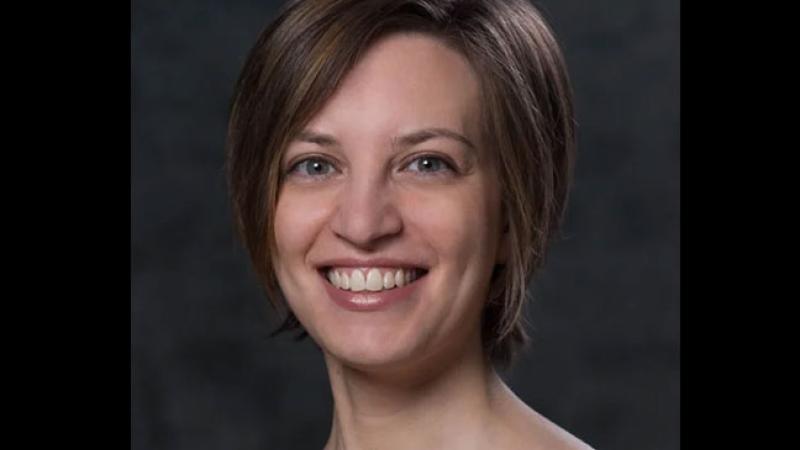
project team includes principal investigator Assistant
Professor Mariana Figueiro, Ph.D., and co-investigators
Professor and LRC Associate Director Russ Leslie, AIA, FIES,
LC, and Professor and LRC Director Mark Rea, Ph.D.
“We hypothesize that if light has an impact on students’
performance and well-being, it is by promoting their circadian
entrainment to the solar day, especially in winter months,”
says Figueiro. “Those who are not exposed to enough daylight
will experience a more pronounced delayed circadian phase,
which will result in sleep problems and more severe
stress.”
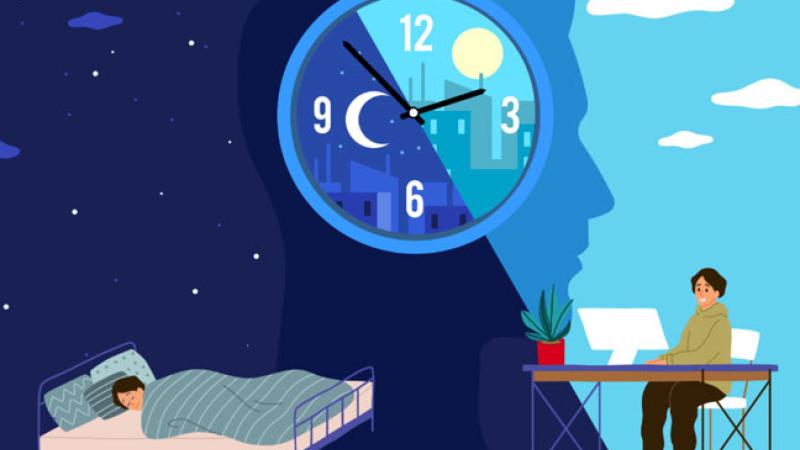
In response to the earth’s 24-hour cycle, all species have
evolved circadian rhythms (e.g., sleep/wake behavior) that
repeat approximately every 24 hours. In humans, circadian
rhythms are synchronized, or entrained, to the solar day most
strongly by the Earth’s natural light/dark cycle. Lack of
synchrony between light and dark and sleep/wake cycles may lead
to sleep deprivation, as well as symptoms of stress, mood
disorders, and perhaps immune system deficiencies. In
adolescents, sleep deprivation has been linked to their
inability to fall asleep at appropriate evening hours and their
need to get up early for school the following
morning.
Figueiro, Leslie, and Rea will test the hypothesis that a
lack of entrainment to the 24-hour solar day, due to reduced
daylight availability in winter months, is the underlying
mechanism linking daylight to well-being and performance.
“If the lighted environment in schools promotes circadian
entrainment, it will help students fall asleep earlier, and
therefore reduce their sleep deprivation. In turn, students
should feel better and perform better in school,” Figueiro
says.
In this project, the research team will select schools that
have “good” and “bad” daylighting designs, evaluated using
existing screening tools. They will ask students to participate
and complete a number of different measures of psychosocial
stress and sleep quality. Students will also be administered
standardized performance tests.
The project team says that in order to link the impact of
daylight and electric lighting on students’ performance and
well-being, it is necessary to quantify the actual amount of
daylight or electric light that students are being exposed to —
specifically, the kind of light that stimulates the circadian
system. Students’ daily light exposures will be measured using
a personal circadian light meter, called the Daysimeter, which
was invented at the LRC and has been used in previous circadian
light studies.
The final outcome of the project will be a set of guidelines
for architects, designers, and school administrators to enable
the development of school building designs that maximize
students’ health, well-being, and performance.
The project unites the LRC’s ongoing research efforts in two
fields: daylighting, and light and human health.
The project team will be aided by Professor Mary Carskadon,
Ph.D., E.P. Bradley Hospital Chronobiology and Sleep Research
Laboratory (associated with Brown University), who will provide
guidance and consultation on the experimental design and assist
in reviewing and interpreting study data.
|
Published
September 11,
2008 |
Contact: Mary Cimo
Phone: (518) 687-7174
E-mail: cimom@rpi.edu |
|