
Rensselaer Polytechnic Institute Awarded $3.3 Million Grant to Improve mRNA Purification Technology
Research aims to address a critical bottleneck in the production of mRNA therapeutics.
Research aims to address a critical bottleneck in the production of mRNA therapeutics.
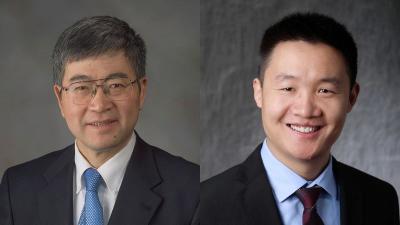
Two RPI researchers, Ge Wang, Ph.D., Clark & Crossan Endowed Chair Professor and director of the Biomedical Imaging Center at RPI, and Fudong Han, Ph.D., associate professor and Priti & Mukesh Chatter '82 Career Development Chair, have earned a spot on Clarivate’s 2025 Highly Cited Researchers list.
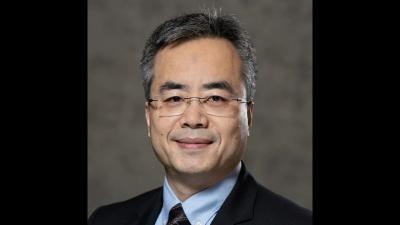
Rensselaer Polytechnic Institute (RPI) has appointed Pingkun Yan, Ph.D., the P.K. Lashmet Career Development Chair Associate Professor at the Department of Biomedical Engineering at RPI, as head of the Department of Biomedical Engineering.
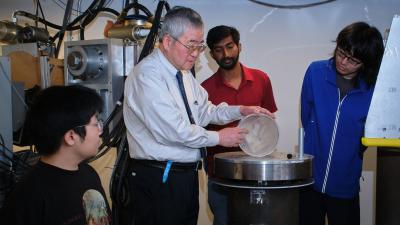
Rensselaer Polytechnic Institute (RPI) is proud to announce that Ge Wang, Ph.D., Clark & Crossan Endowed Chair Professor and Director of the Biomedical Imaging Center at RPI, has been named a recipient of the 2025 Edith H. Quimby Award for Lifetime Achievement in Medical Physics by the American Association of Physicists in Medicine (AAPM).

New research from Rensselaer Polytechnic Institute (RPI) could help shape the future of artificial intelligence by making AI systems less resource-intensive, higher performing, and designed to emulate the human brain.
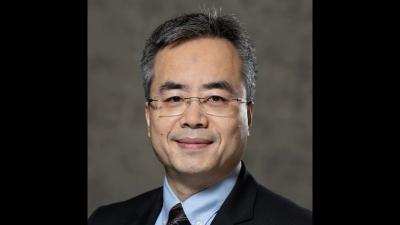
Rensselaer Polytechnic Institute (RPI) is proud to announce that Pingkun Yan, Ph.D., associate professor of Biomedical Engineering at RPI, has been appointed chair of the IEEE Engineering in Medicine and Biology Society (EMBS) Technical Committee on Biomedical Imaging and Image Processing (BIIP).

Rensselaer Polytechnic Institute (RPI) has received a $10 million gift from Ajit Prabhu ’98, founder and CEO of Quest Global, to establish the Ajit Prabhu Catalyst Endowment and the Ajit Prabhu Catalyst Fund, both in support of the Office of Strategic Alliances and Translation (OSAT). Prabhu launched the fund, which will assist RPI student and faculty entrepreneurs.

Lung cancer is one of the most challenging diseases, making early diagnosis crucial for effective treatment. Fortunately, advancements in artificial intelligence (AI) are transforming lung cancer screening, improving both accuracy and efficiency.