School of Science

Scientists Use String Theory to Crack the Code of Natural Networks

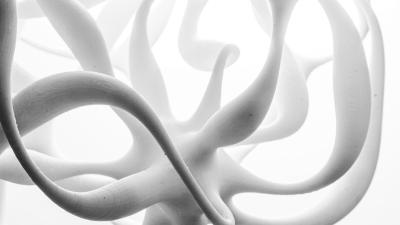
For more than a century, scientists have wondered why physical structures like blood vessels, neurons, tree branches, and other biological networks look the way they do. The prevailing theory held that nature simply builds these systems as efficiently as possible, minimizing the amount of material needed. But in the past, when researchers tested these networks against traditional mathematical optimization theories, the predictions consistently fell short. 

RPI Scientists Crack Ancient Salt Crystals to Unlock Secrets of 1.4 Billion-Year-Old Air

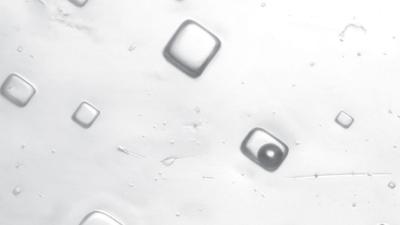
More than a billion years ago, in a shallow basin across what is now northern Ontario, a subtropical lake much like modern-day Death Valley evaporated under the sun’s gentle heat, leaving behind crystals of halite — rock salt.It was a very different world than the one we know today. Bacteria were the dominant form of life. Red algae had only just appeared on the evolutionary scene. Complex multicellular life like animals and plants wouldn’t show up for another 800 million years. 

Built-In Backup System Helps Muscles Counteract Fatigue

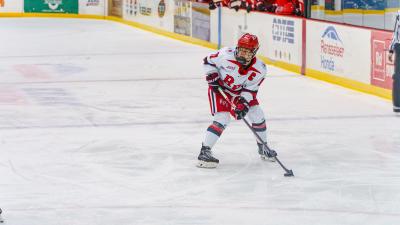
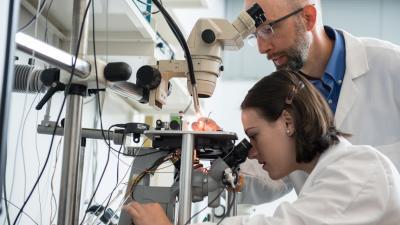
When you're running up stairs or out on a jog, your muscles eventually start to feel heavy and weak. That's fatigue setting in, a sign that the muscles’ energy reserves are becoming depleted. But a team of researchers led by Rensselaer Polytechnic Institute (RPI) biology professor Doug Swank, Ph.D., have discovered something surprising: certain muscle fibers have a built-in backup system that fights back against fatigue, potentially helping us keep going when we'd otherwise have to stop. 

Back to top